
Services
Home Generators
Our Service
Home Generators
Top 10 Pros and Cons of Permanent vs. Portable Home Generators
Introduction
In today’s power-reliant world, losing electricity—even for a short time—can feel like a disaster. Whether it’s a summer blackout or a winter storm, one thing becomes crystal clear: you need backup power. Home generators offer that lifesaving solution, but with two major contenders in the market—permanent backup home generators and portable home generators—how do you choose?
Each comes with its own set of perks and pitfalls. This guide will walk you through everything you need to know about home generators, from features to functionality, so you can make the right call for your lifestyle, budget, and power needs.

What Are Home Generators?
Home generators are backup power devices designed to supply electricity during power outages. They work by converting mechanical energy into electrical energy, powering your lights, appliances, HVAC, and more when your utility fails. In a world where power equals comfort and security, these machines offer peace of mind.
There are two primary types:
-
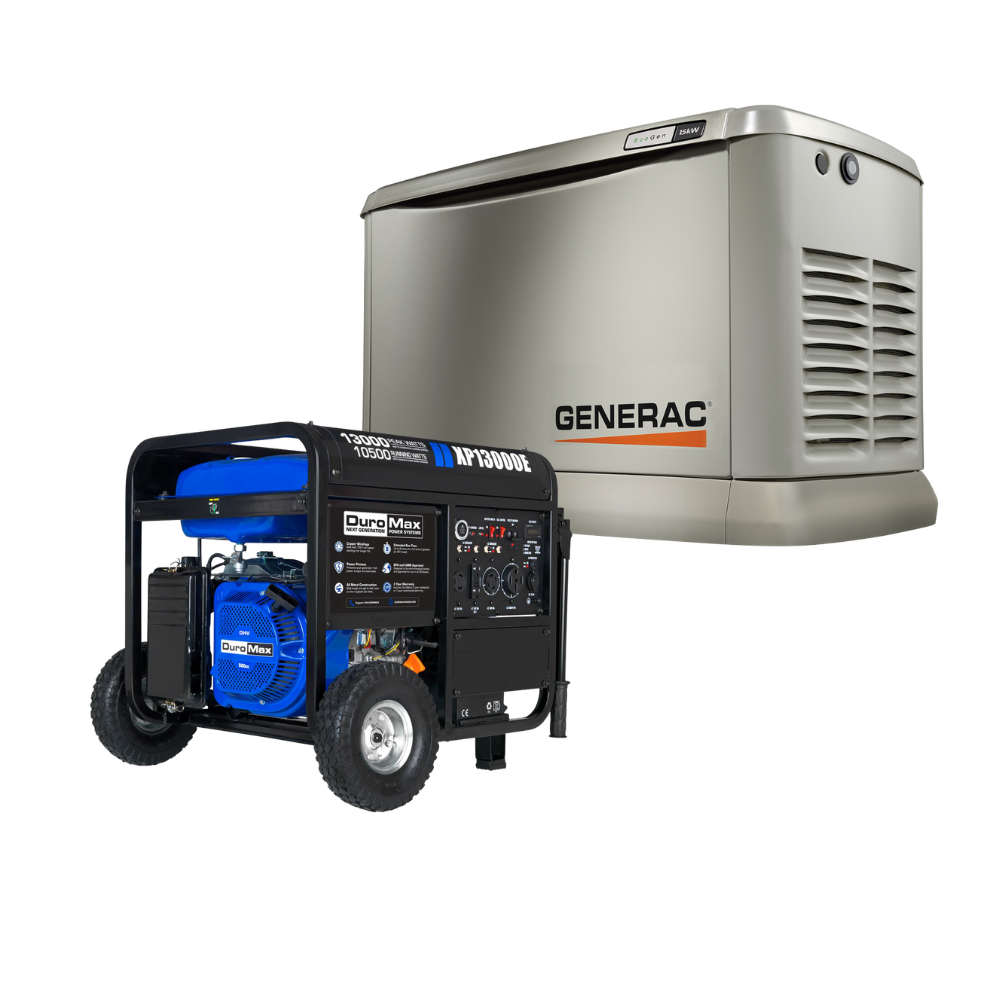
Portable home generators
-
Permanent (standby) home generators
Each has unique characteristics suited for different households, budgets, and usage needs.
Understanding Portable Home Generators
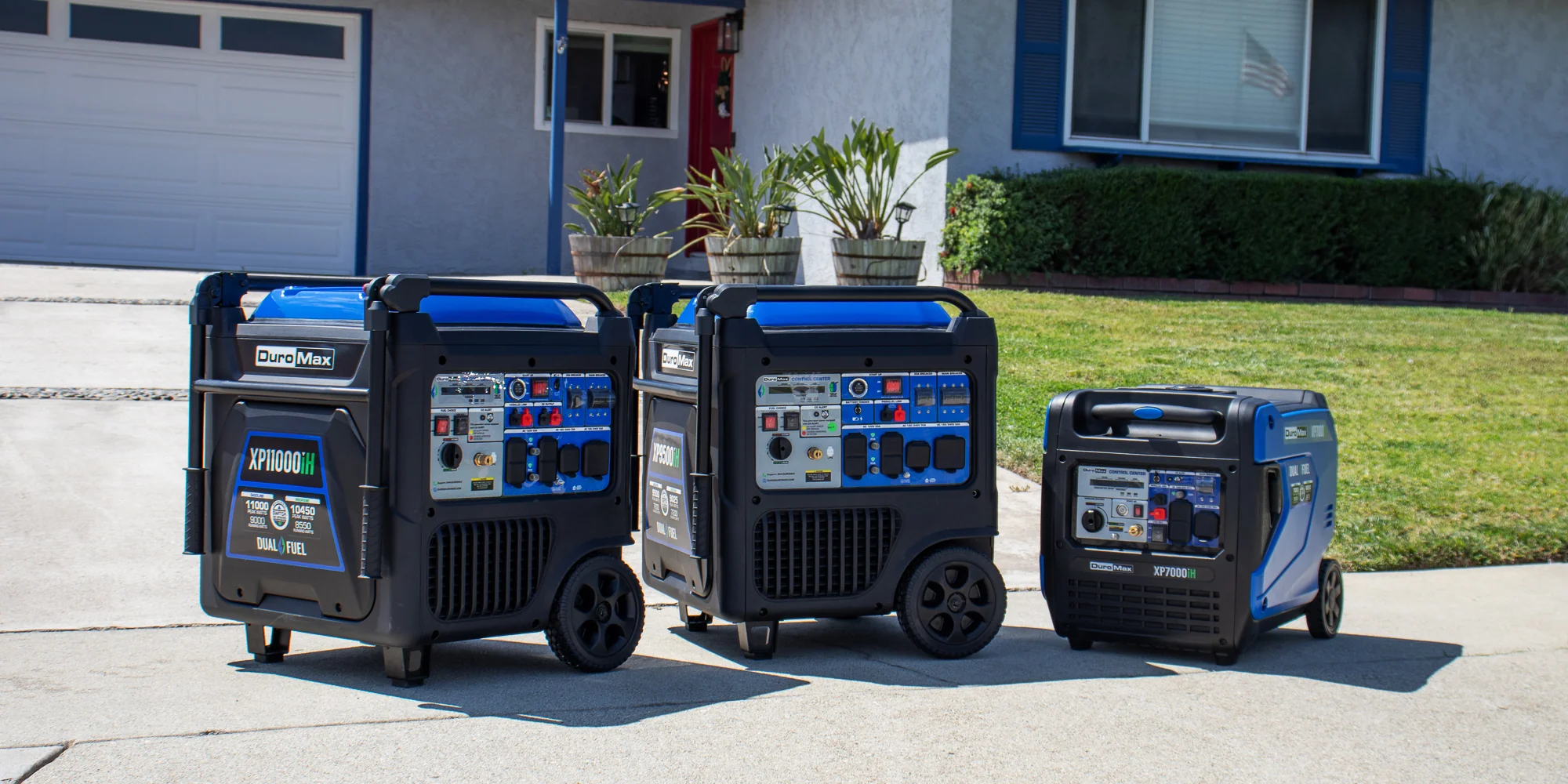
Portable home generators are small, mobile power units that you can move around and manually start when needed. Typically powered by gasoline or propane, they’re ideal for temporary or short-term power outages.
Key Features:
-
Lightweight and mobile
-
Lower upfront cost
-
Plug-in appliances manually
-
Requires manual refueling and starting
These are especially popular for camping, outdoor events, and homes where power outages are rare but inconvenient.
Understanding Permanent Backup Home Generators
Permanent backup generators, often called standby generators, are fixed units installed outside the home. These units are wired directly into your home’s electrical system and start automatically when a power outage is detected.
Key Features:
-
Provides seamless, automatic power
-
Higher wattage for whole-house use
-
Runs on natural gas or propane
-
Professionally installed and maintained
These are ideal for homes in areas with frequent or prolonged power outages and for those relying on power for medical equipment or work.
Advantages of Portable Home Generators
Portable home generators offer a range of benefits:
-
Affordability: Typically cost less than a standby generator.
-
Mobility: You can take it anywhere—camping, job sites, or neighbor’s homes.
-
Simple Setup: No installation required. Just plug and play (with extension cords or a transfer switch).
-
Great for Occasional Use: Best suited for homes with occasional, short-term power loss.
Plus, they’re easy to store in a garage or shed when not in use. For flexibility and budget-friendliness, they’re hard to beat.
Disadvantages of Portable Home Generators
But it’s not all sunshine and savings:
-
Manual Operation: You must be present to start and refuel it.
-
Limited Power Supply: Can’t power an entire house—only essential appliances.
-
Fuel Storage & Shelf Life: Gasoline has a short shelf life and is flammable.
-
Noise Levels: Typically louder than standby generators.
-
Safety Concerns: Must be placed outdoors with proper ventilation to prevent carbon monoxide poisoning.
They’re a convenient but limited solution.
Advantages of Permanent Backup Home Generators
If you’re looking for long-term peace of mind, standby generators come with significant perks:
-
Automatic Start: No manual setup—everything turns on within seconds of a power cut.
-
Whole-House Power: Power everything from refrigerators to central AC systems.
-
Natural Gas Hookup: No need for regular refueling.
-
Adds Property Value: Seen as a premium feature for buyers.
Especially for people working from home or with medical needs, the reliability of a standby generator is unmatched.
Power Output Comparison
Portable generators usually range from 1,000 to 10,000 watts, perfect for essential appliances. In contrast, permanent generators start at 7,500 watts and go up to 48,000+ watts, enough to power an entire home seamlessly.
Ease of Use: Portable vs. Permanent
Permanent generators win here—once installed, they’re hands-free. Portable ones, however, require manual setup, fueling, and connection to appliances or circuits.
Installation Requirements
-
Portable: DIY-friendly. Just add fuel and plug in.
-
Permanent: Requires a professional setup with permits, gas lines, and transfer switches.
Fuel Types and Availability
-
Portable: Gasoline, propane, diesel.
-
Permanent: Propane or natural gas (via utility connection or tanks).
Maintenance Considerations
Both require oil changes and testing, but standby generators often include self-diagnostic systems and maintenance alerts, making upkeep simpler over time.
Noise Levels: Quiet vs. Loud Generators
-
Portable generators can reach 70–100 dB, like a lawn mower.
-
Permanent generators are quieter and often come with sound-dampening enclosures.
Safety and Carbon Monoxide Risks
CO poisoning is a serious concern. Portable units must be operated outdoors and away from windows. Standby generators are usually safer due to professional ventilation and placement.
Weather Resistance and Durability
-
Portable: Must be covered during rain or snow.
-
Permanent: Designed for all-weather use with enclosures.
Ideal Use Cases for Portable Generators
-
Camping or tailgating
-
Occasional blackouts
-
Apartment dwellers with balconies or yards
Ideal Use Cases for Permanent Generators
-
Remote homes
-
Families with medical or home office needs
-
Regions prone to storms or wildfires
Environmental Impact
Standby generators using natural gas burn cleaner than gasoline-powered portables. Eco-conscious buyers may opt for inverter generators or solar hybrids.
Cost Breakdown
Over 10 years, the cost-per-use often favors standby models, especially in outage-prone areas.
ROI: Is a Home Generator Worth It?
Absolutely—especially if:
-
You experience frequent outages
-
Your family needs uninterrupted power
-
You work from home or run a business
A home generator isn’t just a convenience—it’s an investment in comfort and safety.
Portability and Storage
-
Portable: Compact, foldable handles, easy storage
-
Permanent: Occupies outdoor space, but no moving involved
Smart Features and Connectivity
Modern standby generators offer:
-
Wi-Fi apps
-
Remote diagnostics
-
Scheduling
Portable models are catching up with Bluetooth monitoring and digital displays.
Choosing the Right Generator for Your Needs
Consider:
-
Budget
-
Space
-
Power needs
-
Frequency of outages
A portable generator suits occasional needs. A standby generator is for serious preparedness.
Final Thoughts: Which Generator Wins?
There’s no one-size-fits-all. If flexibility, affordability, and mobility are your top priorities—go portable. But if you want reliability, safety, and hands-off operation during every power outage, permanent backup home generators are well worth the investment.
FAQs About Home Generators
What size generator do I need for my home?
That depends on your power needs. Use a wattage calculator or our professionals can help find that answer with you.
Can I run my portable generator indoors?
Never. It must be operated outdoors to avoid carbon monoxide poisoning.
How long can a permanent home generator run continuously?
With a steady fuel supply, many can run for days or even weeks.
Are standby generators noisy?
Not particularly—they’re designed to be quieter than portable models.
How often should I maintain my generator?
At least once a year, or after every 100–200 hours of use.
Is a portable generator good for whole-house power?
No, they typically support only a few appliances at a time.
Conclusion
Choosing between portable and permanent home generators comes down to priorities: budget, reliability, and usage. Whichever you choose, investing in a generator ensures you’re never left in the dark again. Contact us today for a free consultation.
Let’s Get Started
Ready to speak with an expert?